
 Admin
Admin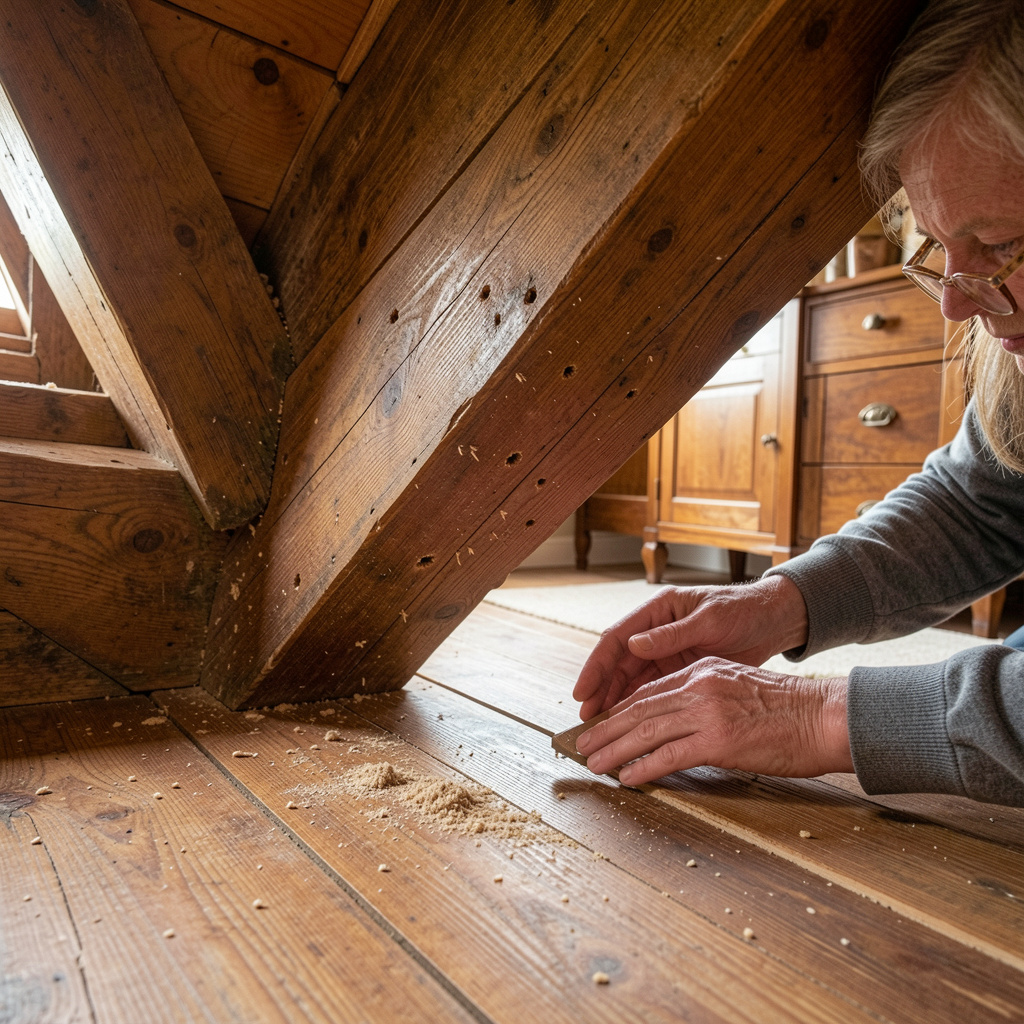
Keeping pests out of the home is important for protecting health, comfort, furniture, and property. Whether dealing with woodworm, termites, ants, rodents, cockroaches, or other household pests, most homeowners want effective solutions that work quickly and safely. Traditionally, pest control has relied heavily on chemical sprays and pesticides. However, many families today are looking for safer alternatives.
Growing concerns about indoor air quality, chemical exposure, environmental impact, and family safety have increased interest in chemical-free home pest solutions. Homeowners now want methods that eliminate pests while reducing unnecessary exposure to strong chemicals, especially in homes with children, pets, or allergy-sensitive family members.
The good news is that many pest problems can now be managed effectively using modern, chemical-free approaches. Prevention, moisture control, heat treatment, microwave technology, sanitation, and improved home maintenance all play an important role in keeping pests away.
Many homeowners exploring safer home protection through shashel.eu/ are increasingly interested in chemical-free pest control because it combines effectiveness with healthier living conditions.
In this guide, we will explain chemical-free home pest solutions, how they work, and why they are becoming more popular.
What Is Chemical-Free Pest Control?
Chemical-free pest control refers to methods that manage or eliminate pests without relying heavily on pesticides or toxic chemicals.
Main Goal
The purpose is to:
- Remove pests safely
- Prevent reinfestation
- Protect indoor environments
Instead of depending only on sprays, modern pest control often combines prevention with targeted treatment.
Common Chemical-Free Methods Include
- Heat treatment
- Microwave treatment
- Moisture control
- Improved ventilation
- Sealing entry points
Healthy homes naturally discourage pests.
Why Homeowners Are Choosing Chemical-Free Solutions
More families are moving toward safer pest control methods.
Common Reasons Include
- Family safety concerns
- Pet protection
- Better indoor air quality
- Environmental awareness
Many homeowners want pest control without strong odors or chemical residue.
Comfort matters just as much as effectiveness.
Moisture Control: One of the Best Natural Pest Solutions
Moisture attracts many pests.
Why Damp Homes Attract Insects
Damp wood and humid spaces encourage:
- Woodworm
- Mold
- Cockroaches
- Termites
Common Moisture Sources
Watch for:
- Roof leaks
- Plumbing leaks
- Condensation
How Moisture Control Helps
Dry homes naturally discourage infestation.
Simple fixes often reduce pest problems significantly.
Many homeowners researching eco-friendly home care through shashel.eu understand that moisture prevention is one of the smartest ways to reduce pests naturally.
Heat Treatment Explained
Heat treatment is a growing chemical-free solution.
How It Works
Controlled heat raises temperatures to levels pests cannot survive.
This treatment may eliminate:
- Woodworm
- Bed bugs
- Hidden insects
Benefits of Heat Treatment
Advantages include:
- No toxic chemicals
- Effective hidden pest removal
Heat works especially well for hard-to-reach infestations.
Microwave Technology for Pest Control
Microwave treatment is becoming increasingly popular.
How Microwave Treatment Works
Microwave energy heats moisture inside wood and insects.
This destroys:
- Eggs
- Larvae
- Adult pests
Best Uses
Microwave treatment works especially well for:
- Woodworm
- Structural timber pests
Benefits Include
- Chemical-free treatment
- Deep penetration
It works especially well for hidden infestation.
Sealing Entry Points
Preventing pests from entering the home is essential.
Common Entry Areas
Check:
- Door gaps
- Window cracks
- Wall openings
Why Sealing Matters
Closing entry points helps reduce:
- Insect access
- Rodent activity
Small repairs make a major difference.
Better Home Ventilation
Poor airflow encourages pests.
Why Ventilation Matters
Good ventilation helps:
- Reduce humidity
- Improve indoor conditions
High-Risk Areas
Focus on:
- Basements
- Attics
- Crawl spaces
Healthy airflow discourages pest activity.
Cleanliness as Pest Prevention
A clean environment naturally discourages pests.
Helpful Cleaning Habits
Regularly:
- Remove food crumbs
- Keep surfaces clean
Why It Helps
Pests are less likely to settle in healthy environments.
Routine cleaning improves prevention.
Natural Barriers and Deterrents
Some homeowners use natural prevention methods.
Common Examples
- Cedar wood for storage spaces
- Natural oils in limited situations
While not always complete solutions:
They may help support prevention
Balanced pest control works best.
Rodent Prevention Without Chemicals
Rodents can often be prevented naturally.
Helpful Prevention Tips
- Seal food containers
- Block entry points
Why Prevention Matters
Reducing shelter and food sources lowers attraction.
Small changes improve protection.
Integrated Pest Management (IPM)
Many professionals now follow a system called Integrated Pest Management.
What Is IPM?
IPM combines:
- Prevention
- Monitoring
- Targeted treatment
Instead of relying only on pesticides:
Professionals solve the root cause
This often reduces chemical use significantly.
Benefits of Chemical-Free Pest Solutions
Chemical-free pest control offers many advantages.
Key Benefits Include
- Better indoor air quality
- Reduced chemical exposure
- Family-friendly protection
- Eco-friendly methods
Balanced treatment supports healthier living.
Many homeowners prefer safer long-term solutions.
When Chemicals May Still Be Needed
Although chemical-free methods work well, severe infestations sometimes require additional support.
Situations That May Need Chemicals
- Heavy termite infestation
- Severe widespread pests
Professional assessment helps determine the best option.
Balanced treatment matters.
Common Misconceptions About Chemical-Free Pest Control
Myth 1: Chemical-Free Means Weak
Modern technology can be highly effective.
Myth 2: Every Infestation Needs Chemicals
Many pest problems respond well to prevention.
Myth 3: Eco-Friendly Methods Are Too Slow
Targeted treatment often works quickly.
Understanding options improves decision-making.
How to Reduce the Need for Chemicals
Homeowners can naturally lower pest risks.
Helpful Prevention Habits
- Keep spaces dry
- Improve airflow
- Seal entry points
- Inspect regularly
Healthy homes attract fewer pests.
Simple habits matter.
Conclusion
Chemical-free home pest solutions are becoming increasingly popular because they offer a safer and more balanced approach to pest management. By focusing on prevention, moisture control, heat treatment, microwave technology, ventilation, and better home maintenance, many homeowners can successfully reduce pest problems without relying heavily on harsh chemicals.
These methods help create healthier indoor environments while still protecting homes from woodworm, termites, rodents, and other common pests.