
 Admin
Admin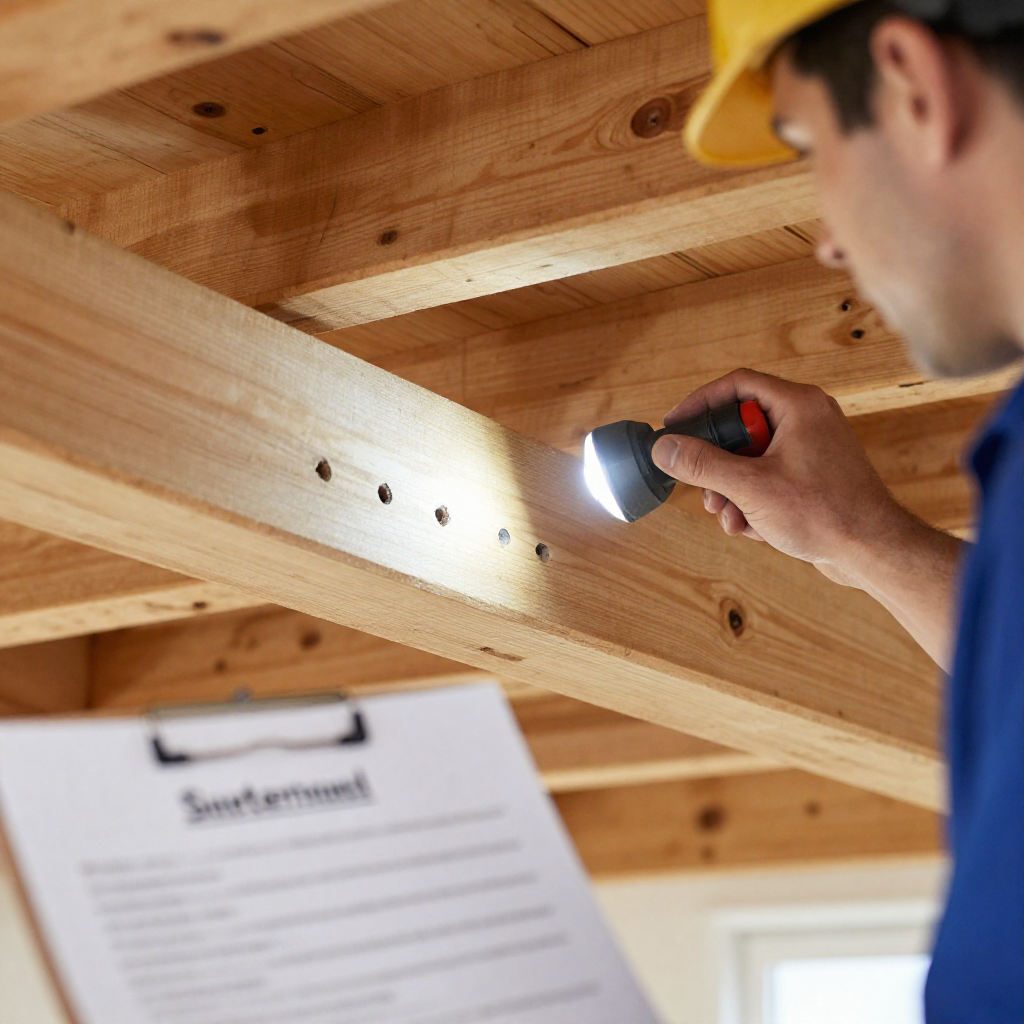
Woodworm infestations can cause serious damage to wooden furniture, floorboards, roof timbers, and structural beams if left untreated. Because wood-boring beetle larvae spend years hidden inside timber, choosing the right treatment method is essential for protecting your property and preventing costly repairs.
For decades, chemical woodworm treatments have been the standard solution for eliminating infestations. More recently, microwave woodworm treatment has emerged as an innovative, chemical-free alternative that uses controlled heat to kill wood-boring insects inside timber. Both methods have their advantages, but they work in very different ways and are suited to different situations.
In this comprehensive guide, we’ll compare microwave and chemical woodworm treatments, explain how each method works, highlight their pros and cons, and help you understand which option may be best for your property.
What Is Woodworm?
Despite its name, woodworm is not actually a worm. The term refers to the larvae of several species of wood-boring beetles, including:
- Common Furniture Beetle (Anobium punctatum)
- Deathwatch Beetle (Xestobium rufovillosum)
- House Longhorn Beetle (Hylotrupes bajulus)
- Powderpost Beetles (Lyctus species)
Adult beetles lay eggs on or inside timber. After hatching, the larvae tunnel through the wood while feeding on cellulose. Depending on the species, this hidden stage may last two to five years, and in some cases even longer.
Most of the damage occurs while the larvae remain inside the timber.
Understanding Chemical Woodworm Treatment
Chemical treatment uses specially formulated insecticides to eliminate wood-boring insects.
Professionals typically apply these products by:
- Brushing onto timber
- Spraying exposed surfaces
- Injecting treatment into affected areas
- Treating replacement timber before installation
The active ingredients penetrate the wood to varying depths and kill insects when they come into contact with the treated timber or consume it.
Chemical treatments have been widely used for many years and remain an effective option for many types of woodworm infestations.
Understanding Microwave Woodworm Treatment
Microwave treatment uses controlled electromagnetic energy to heat timber internally.
Rather than relying on pesticides, professional equipment raises the temperature inside the wood to approximately 55–60°C (131–140°F), which is lethal to:
- Eggs
- Larvae
- Pupae
- Adult beetles hidden inside the timber
Because the heat is generated within the wood itself, microwave treatment can target insects hidden beneath the surface without leaving chemical residues.
How Each Treatment Works
Chemical Treatment
Chemical solutions move into the timber through absorption and diffusion.
Their effectiveness depends on factors such as:
- Wood species
- Moisture content
- Surface coatings
- Application method
- Depth of infestation
Some treatments also provide residual protection against future infestations.
Microwave Treatment
Microwave energy creates dielectric heating, causing water molecules inside the timber to vibrate rapidly and generate heat.
This internal heating destroys insects hidden within the wood while avoiding the use of pesticides.
Side-by-Side Comparison
| Feature | Microwave Treatment | Chemical Treatment |
|---|---|---|
| Uses Chemicals | No | Yes |
| Leaves Chemical Residue | No | Yes |
| Uses Heat | Yes | No |
| Targets Hidden Larvae | Yes | Yes, depending on penetration |
| Suitable for Occupied Homes | Often | Usually, depending on the product |
| Environmental Impact | Low | Moderate |
| Suitable for Heritage Buildings | Often | Depends on the treatment used |
| Treatment Speed | Immediate heating effect | May require time for the treatment to work |
| Residual Protection | No | Often provides ongoing protection |
Advantages of Microwave Treatment
Chemical-Free
One of the biggest benefits is that no insecticides are required.
This makes microwave treatment attractive for:
- Homes with children
- Pet owners
- Allergy sufferers
- Environmentally conscious homeowners
Deep Internal Heating
Microwave energy heats the timber from within, helping to reach insects hidden deep inside the wood.
Minimal Residue
No chemical residue remains after treatment, making it suitable for sensitive environments.
Fast Treatment
Once the required temperature is reached, insects are eliminated during the treatment process.
Suitable for Valuable Timber
Microwave treatment is commonly considered for:
- Antique furniture
- Historic buildings
- Museums
- Churches
- Listed properties
where minimizing chemical exposure is important.
Limitations of Microwave Treatment
While highly effective in many situations, microwave treatment also has limitations.
Localized Application
It is generally most suitable for specific areas rather than large-scale infestations affecting extensive sections of a building.
No Residual Protection
Once treatment is complete, the timber remains vulnerable to future infestations if new beetles lay eggs.
Good maintenance and moisture control remain essential.
Professional Equipment Required
Microwave treatment should only be carried out by trained professionals using specialist equipment.
Advantages of Chemical Treatment
Long Track Record
Chemical woodworm treatments have been used successfully for decades.
Residual Protection
Many professional products continue protecting treated timber against future infestations.
Suitable for Larger Areas
Chemical treatment may be more practical for widespread infestations affecting multiple rooms or large structural areas.
Versatile Application
Professionals can treat:
- Roof timbers
- Floor joists
- Structural beams
- Furniture
- Outbuildings
using different application methods depending on the situation.
Limitations of Chemical Treatment
Although effective, chemical treatment also has drawbacks.
Chemical Residues
Some homeowners prefer to avoid pesticides inside their homes.
Surface Penetration Limits
The depth of penetration depends on:
- Timber density
- Moisture levels
- Existing finishes
- Product formulation
Drying Time
Certain products require treated areas to dry before normal use resumes.
Which Treatment Is Better for Heritage Buildings?
Historic properties often contain original timber that owners wish to preserve.
Microwave treatment is frequently considered because it:
- Avoids chemical residues
- Can be precisely targeted
- Minimizes disturbance to historic materials
However, conservation requirements vary, and the most suitable approach should be determined by qualified professionals familiar with heritage buildings.
Which Treatment Is Better for Furniture?
The best option depends on the furniture and the infestation.
Microwave treatment may be appropriate for:
- Valuable antiques
- Museum collections
- Collectible furniture
Chemical treatment may be more practical for:
- Modern furniture
- Larger quantities of timber
- Preventive protection
Cost Considerations
Treatment costs vary depending on:
- Size of the infestation
- Timber accessibility
- Building type
- Beetle species
- Required repairs
While microwave treatment may involve higher specialist equipment costs, chemical treatment may require more extensive application over large areas.
Obtaining a professional inspection is the best way to determine the most cost-effective solution.
Preventing Future Woodworm Problems
Regardless of the treatment chosen, prevention remains essential.
Recommended measures include:
- Keep timber dry.
- Improve ventilation.
- Repair roof leaks promptly.
- Reduce indoor humidity.
- Inspect roof spaces annually.
- Monitor furniture for exit holes and fresh frass.
- Apply appropriate wood preservatives where recommended.
Good maintenance significantly reduces the risk of future infestations.
When Should You Call a Professional?
Professional advice is recommended if:
- Structural beams are affected.
- Fresh frass continues appearing.
- New exit holes develop each season.
- Valuable antiques are infested.
- You’re unsure which treatment is most suitable.
- Multiple areas of timber show signs of infestation.
A timber preservation specialist can identify the beetle species, determine whether the infestation is active, and recommend the most appropriate treatment for your property.
Common Myths About Woodworm Treatment
Myth 1: Microwave Treatment Damages All Timber
False. Professional equipment is carefully controlled to heat timber to insect-killing temperatures while minimizing the risk of damage to sound wood.
Myth 2: Chemical Treatment Always Reaches Every Larva
Not necessarily. Effectiveness depends on the product, application method, and timber condition.
Myth 3: One Treatment Guarantees Woodworm Will Never Return
No treatment can prevent future infestations if new beetles gain access to untreated timber. Ongoing maintenance and moisture control remain important.
Conclusion
Both microwave and chemical woodworm treatments are effective methods for controlling wood-boring beetles, but they achieve this in different ways. Microwave treatment uses controlled heat to eliminate insects without chemicals, making it an attractive option for localized infestations, heritage buildings, and homeowners seeking an environmentally friendly solution. Chemical treatments, meanwhile, have a long history of successful use and often provide residual protection that helps guard against future infestations.
The best choice depends on the type of property, the extent of the infestation, the condition of the timber, and your long-term goals. A professional timber inspection can determine whether microwave treatment, chemical treatment, or a combination of both is the most appropriate solution. Regardless of the method chosen, early detection, proper moisture control, and regular inspections remain the keys to protecting your timber from costly woodworm damage.Visit online https://www.shashel.eu for more details .