
 Admin
Admin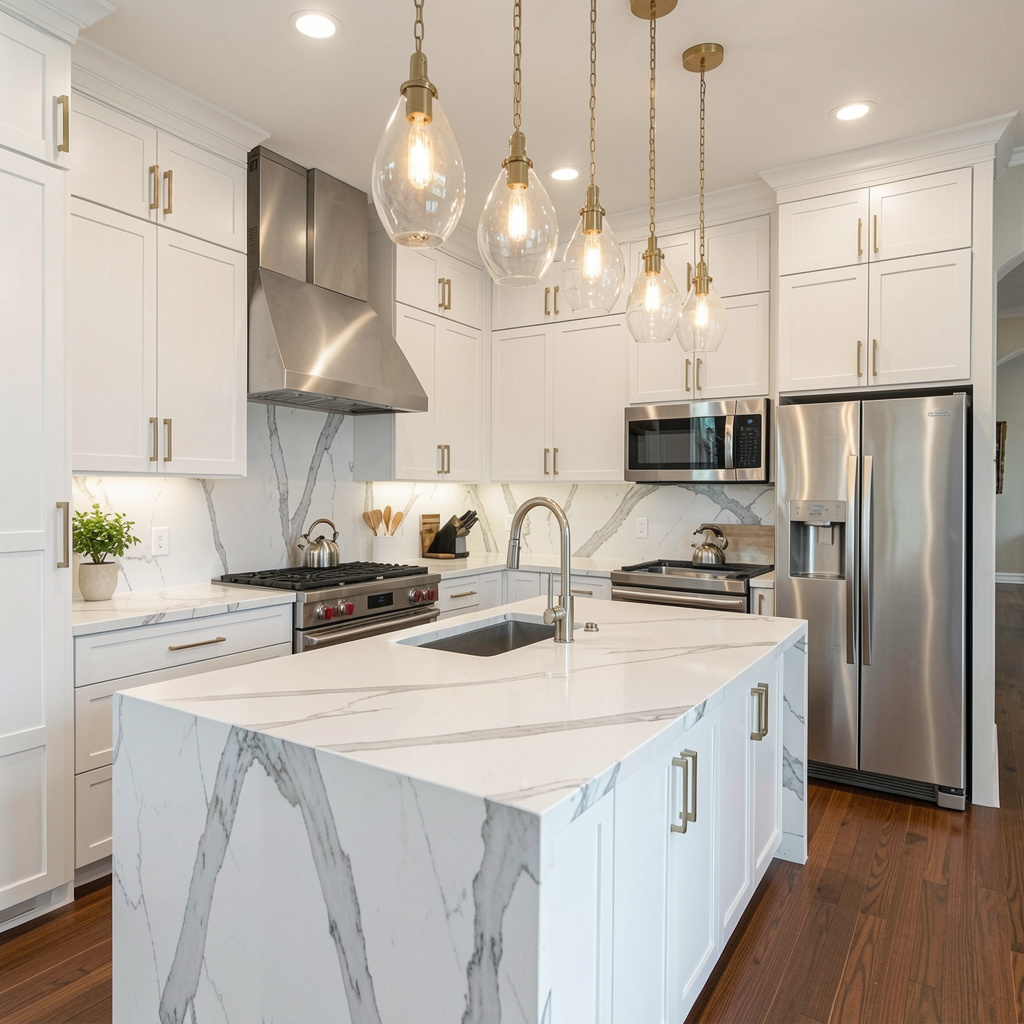
Modern kitchen design is about creating a space that combines style, practicality, and lasting value. Hyundai L&C offers surfaces that reflect these priorities, making quartz countertops for modern kitchens a preferred choice for homeowners, designers, and builders alike.
With impressive durability, consistent patterns, and straightforward maintenance, quartz continues to support kitchens that are both visually appealing and built for everyday living.
Why Quartz Continues to Lead Modern Kitchen Design
Today’s kitchens serve multiple purposes beyond cooking. They have become gathering spaces, home offices, entertainment areas, and places where families spend much of their time. Countertops must keep up with these changing demands without sacrificing appearance.
Quartz surfaces have become a leading material because they combine engineered performance with sophisticated design. Unlike many natural materials that vary significantly from slab to slab, quartz delivers visual consistency while maintaining a premium appearance.
Some of the reasons homeowners continue choosing quartz include:
- Excellent resistance to scratches during normal use
- Low maintenance compared to many natural stone options
- Wide variety of colors and patterns
- Consistent appearance across multiple slabs
- Long-lasting beauty with proper care
- Suitable for contemporary and transitional kitchen designs
These qualities make quartz an investment that supports both daily functionality and long-term satisfaction.
Choosing Quartz Countertops for Modern Kitchens
Selecting quartz countertops for modern kitchens involves more than picking a favorite color. The right surface should complement cabinetry, flooring, lighting, and the overall design vision.
Several factors should guide the decision.
Color Selection
Modern kitchens embrace a wide range of color palettes.
Popular choices include:
- Bright white surfaces
- Soft gray patterns
- Warm beige tones
- Marble-inspired veining
- Bold charcoal finishes
- Matte-inspired neutral designs
Lighter colors often make smaller kitchens appear larger, while darker tones create dramatic focal points.
Pattern Consistency
One advantage of engineered quartz is its predictable appearance. Whether choosing subtle movement or bold veining, homeowners can better visualize the finished kitchen before installation.
Consistency becomes especially important for:
- Large kitchen islands
- Waterfall edges
- Open-concept homes
- Multi-counter layouts
A cohesive design contributes to a polished finished space.
Surface Finish
The finish also influences the kitchen’s overall appearance.
Common options include:
- Polished surfaces for maximum light reflection
- Softer finishes for understated elegance
- Contemporary textures for modern interiors
Each finish creates a slightly different visual effect while maintaining quartz’s practical benefits.
Design Trends That Complement Quartz
Kitchen trends continue evolving, yet quartz adapts well to nearly every design style.
Current design directions include:
Minimalist Spaces
Clean cabinetry paired with simple quartz surfaces creates an uncluttered appearance that remains timeless rather than trendy.
Large Kitchen Islands
Oversized islands continue gaining popularity as homeowners seek additional seating, workspace, and storage. Quartz performs well across expansive surfaces because of its consistent appearance.
Mixed Materials
Modern kitchens increasingly combine:
- Wood cabinetry
- Metal accents
- Glass backsplashes
- Quartz countertops
- Open shelving
Quartz provides balance among these varying textures without overwhelming the design.
Integrated Lighting
Natural and artificial lighting interact beautifully with polished quartz surfaces, helping kitchens feel brighter and more inviting.
Everyday Performance Matters
Appearance attracts attention, but performance determines long-term satisfaction.
Busy households expect countertops to handle everyday activities, including:
- Meal preparation
- Homework sessions
- Entertaining guests
- Small appliances
- Daily cleaning
- Family gatherings
Quartz offers a practical balance between beauty and durability for these everyday demands.
Its non-porous surface also simplifies regular maintenance, as it does not require periodic sealing.
Smart Planning Before Installation
Proper planning improves both the installation process and the finished result.
Before selecting a slab, consider the following:
Kitchen Layout
Think about how countertops will connect throughout the space.
Important considerations include:
- Island dimensions
- Corner transitions
- Appliance placement
- Sink location
- Seating overhangs
Planning early helps create smoother visual flow.
Edge Profiles
The countertop edge contributes to the kitchen’s personality.
Popular edge styles include:
- Straight edge
- Eased edge
- Beveled edge
- Pencil edge
- Waterfall edges for islands
Each profile complements different interior styles.
Backsplash Coordination
Quartz pairs well with many backsplash materials.
Options include:
- Full-height quartz
- Ceramic tile
- Glass tile
- Porcelain panels
- Natural stone accents
Coordinating these surfaces creates visual continuity throughout the kitchen.
Caring for Quartz Countertops
One reason homeowners appreciate quartz is its straightforward maintenance routine.
Simple habits help preserve the surface for years.
Daily Cleaning
Routine cleaning usually requires:
- Warm water
- Mild soap
- Soft microfiber cloth
These basic supplies remove everyday dirt and food residue without damaging the finish.
Avoid Excessive Heat
Although quartz is highly durable, using trivets or hot pads for cookware helps protect the surface from extreme temperatures.
Use Cutting Boards
Quartz resists scratches during everyday use, but cutting boards help protect both the countertop and kitchen knives.
Prompt Cleanup
Cleaning spills shortly after they occur supports long-lasting appearance, especially when dealing with coffee, wine, cooking oils, or strongly colored foods.
Features That Add Long-Term Value
Kitchen remodeling represents a significant investment. Choosing materials that continue performing well over time helps maximize that investment.
Quartz contributes value through several advantages:
- Long service life
- Timeless appearance
- Reduced maintenance requirements
- Broad design flexibility
- Reliable everyday performance
- Consistent manufacturing quality
These benefits appeal not only to current homeowners but also to future buyers evaluating kitchen quality.
Common Design Mistakes to Avoid
Even premium materials benefit from thoughtful planning.
Avoid these common mistakes when selecting quartz surfaces.
Ignoring Lighting Conditions
Showroom lighting often differs from residential spaces. Always view samples under lighting conditions similar to your home before making a final decision.
Choosing Color Before Cabinetry
Cabinets occupy a significant portion of the kitchen. Selecting cabinetry first often makes countertop coordination easier.
Overlooking Seam Placement
Large kitchens may require seams depending on layout and slab size. Discuss seam placement early during planning for the most attractive finished appearance.
Forgetting Lifestyle Needs
A family with young children may prioritize different design features than someone creating a kitchen primarily for entertaining guests.
Matching material selection with everyday use leads to greater long-term satisfaction.
Quartz and Sustainable Design
Many homeowners now consider environmental impact alongside appearance and durability.
Because quartz surfaces typically remain functional for many years, they contribute to longer product life cycles and reduce the frequency of replacement. Long-lasting materials often support more sustainable renovation decisions by minimizing waste associated with repeated remodeling.
Additionally, their easy maintenance reduces the need for specialized cleaning products, supporting simpler household care routines.
Selecting the Right Surface for Your Kitchen Style
Different kitchen styles benefit from different quartz designs.
Modern minimalist kitchens often feature crisp white or soft gray quartz with subtle movement.
Contemporary kitchens pair dramatic veining with flat-panel cabinetry for striking visual contrast.
Transitional kitchens blend warm cabinetry with neutral quartz surfaces that bridge traditional and modern aesthetics.
Luxury kitchens frequently incorporate waterfall islands, integrated backsplashes, and oversized quartz installations to create seamless visual impact.
The flexibility of quartz allows homeowners to personalize their kitchens without sacrificing durability.
Looking Beyond Current Trends
While kitchen trends naturally evolve, successful remodels prioritize timeless design over short-lived fashions.
Neutral quartz colors, balanced veining, and clean edge profiles often remain attractive across changing interior styles. Rather than chasing temporary trends, selecting surfaces with lasting visual appeal helps ensure the kitchen continues looking current for many years.
Investing in quality materials also reduces the likelihood of premature renovations driven solely by changing design preferences.
Final Thoughts
Choosing quartz countertops for modern kitchens is about balancing beautiful design with dependable everyday performance. From consistent patterns and versatile color options to low-maintenance care and lasting durability, quartz continues to meet the needs of today’s homeowners and designers.
By working with trusted manufacturers like Hyundai L&C and investing in careful planning and professional installation, homeowners can create kitchens that remain functional, welcoming, and visually appealing well into the future.